The Pleasure Report · September 17, 2026 · 3 minute read
Start with a blindfold, not rope. Two safety rules matter: nothing tight enough to tingle, and a way out in five seconds. Buy one thing, use it three times, then decide if you want the kit.
Being tied up is the most-fantasised-about thing almost nobody actually tries. It sits on the list next to "learn Italian": genuinely appealing, never quite scheduled.
The gap between wanting to and doing it is usually just not knowing where to start, plus a suspicion that it requires equipment, expertise, and a conversation you don't want to have. It requires one of those, and it's the cheap one.
Start with the thing that isn't rope
Everyone pictures rope. Almost nobody should start there.
Start with a blindfold. It does most of the psychological work of restraint with none of the logistics: you can't see what's coming, so every touch lands harder and your attention narrows to exactly one thing. No knots, no positions, nothing to learn, and you can stop by taking it off.

The two rules that actually matter
Not a lecture, just the two things that separate a good night from a bad one.
1. Agree how to stop before you start. A word, any word, that isn't "no" or "stop", because plenty of people enjoy saying those. Pick something absurd. Nobody says "pineapple" by accident. If someone's mouth is occupied, agree on a gesture instead, like dropping something they're holding.
2. Two fingers. You should always be able to slide two fingers under anything tied. Wrists go numb, tingle, or change colour long before anything is actually wrong, and any of those means loosen it now. Never tie around a neck. Never leave someone tied alone, even for a minute.
That's it. That's the whole safety briefing, and it takes ninety seconds to agree on.
What to buy first
The instinct is to buy a kit. Resist it. Those boxes look like tremendous value and are usually six items you'll use once, made from material you'd never choose on its own. Buy one good thing.


The part nobody warns you about
It's going to be funny at first.
Someone will get a knot wrong, or laugh, or knock a lamp over. That's normal and it isn't a sign you're bad at this. The couples who end up loving this stuff are the ones who found the first attempt a bit ridiculous and did it again anyway.
Also worth knowing: the person tied up is not the passive one. They're the one everything is organised around, they set the limits, and they end it whenever they like. If that framing appeals more than the rope does, you've understood the point.
Where it goes next
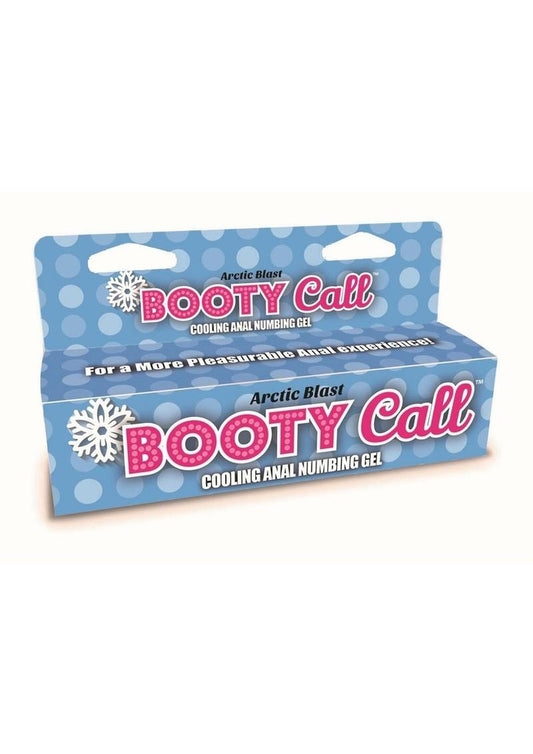
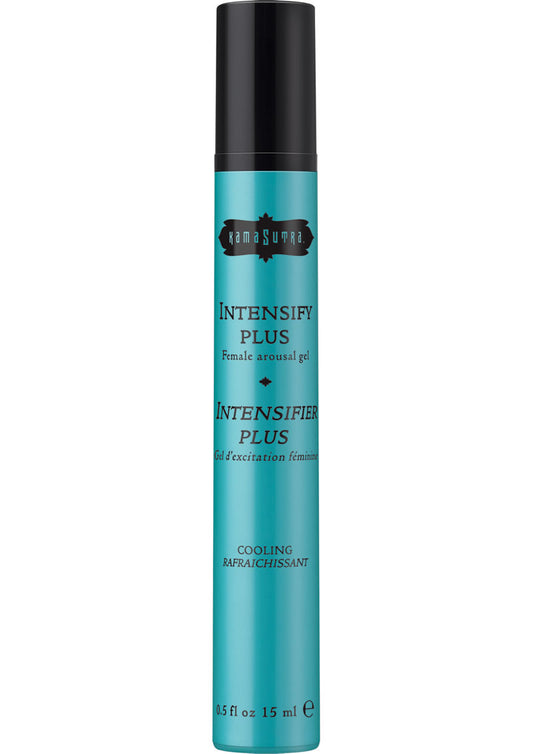
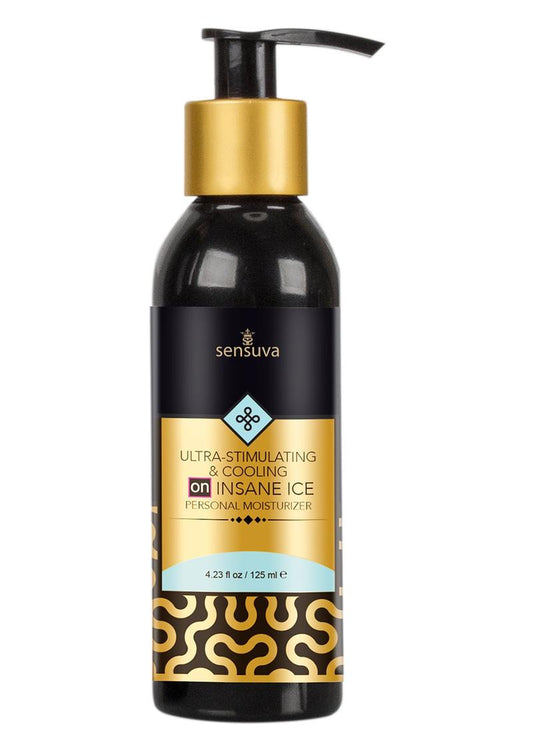
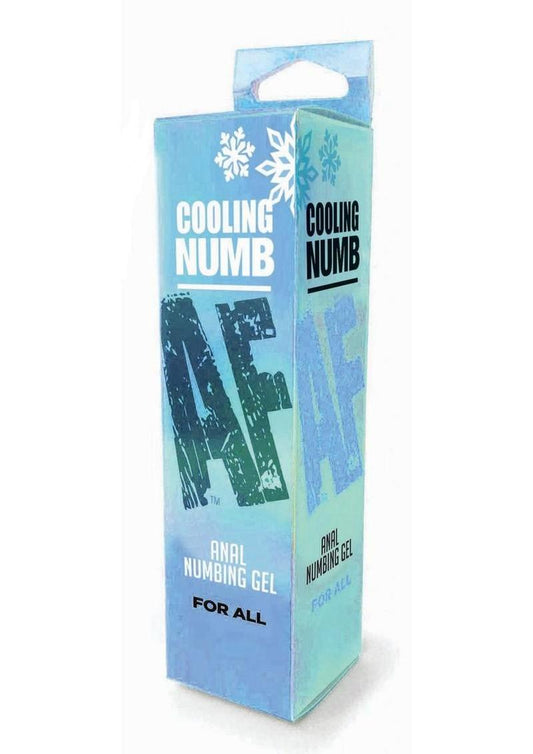
Once tied wrists feel normal, the usual next steps are adding another sense (temperature is the easy one, and our temperature play guide covers warming and cooling), or adding time, which mostly means slowing down.
If you want the wider map of where this sits, our guide to the kink spectrum covers the territory without the jargon.
The takeaway
Buy a blindfold. Agree on a word. Keep two fingers of room. Everything after that is preference, and you'll work yours out faster by trying than by reading.
New to all of this? Start with how to choose your first toy.